By Michael Lyons, Constructiv Digital. Last updated 19 October 2026.
Building product manufacturers and suppliers win more work online by making their products easy to specify. That means detailed product pages with technical data, downloadable specifications and compliance evidence, content aimed at architects, engineers and builders, and a clear path to order through a trade account, distributor or quote. Bricks, steel and precast are sold on proof, not promotion.
This guide covers what works for brick, steel, precast, timber and other building product businesses selling to specifiers, builders and trade buyers across Australia. For suppliers ready to sell online, our eCommerce team builds catalogue and trade ordering sites.
In this article
- Who actually buys building products?
- What should a building product website include?
- How should bricks, steel and precast suppliers market differently?
- How do manufacturers get found by architects and engineers?
- Which paid and social channels work for building product suppliers?
- Frequently asked questions
Who actually buys building products?
Building products usually have several buyers for one sale, each with different questions:
| Buyer |
What they need to see |
| Architects and designers |
Finishes, colours, sizes, design files and project examples |
| Engineers |
Load data, standards compliance, test reports and installation details |
| Builders and head contractors |
Price, lead times, delivery, stock availability and reliability |
| Trade buyers and tradies |
Trade pricing, easy reordering and where to pick up |
| Homeowners |
Inspiration, samples and where to buy |
A website that only speaks to one of these loses the others. The strongest supplier sites give each buyer a clear route in.
What should a building product website include?
- A product page for every range. Not a PDF catalogue. Each range gets its own indexable page with sizes, finishes, photos and pricing or a quote option.
- Technical data on the page. Key specifications as text, with technical data sheets, installation guides and test reports available to download.
- Compliance evidence. Relevant Australian Standards, certifications and how the product meets the National Construction Code. The Australian Building Codes Board is the reference point specifiers check against.
- Project galleries. Real buildings using your product, tagged by product and project type.
- Samples and quotes. Simple forms for sample requests and project quotes.
- Where to buy. A stockist or distributor finder, or trade accounts with online ordering.
How should bricks, steel and precast suppliers market differently?
Bricks and masonry are chosen on look first, so colour, texture and finished-project photography matter most. Homeowners and architects browse ranges visually, and sample requests are the key conversion. Display centre locations and opening hours should be easy to find.
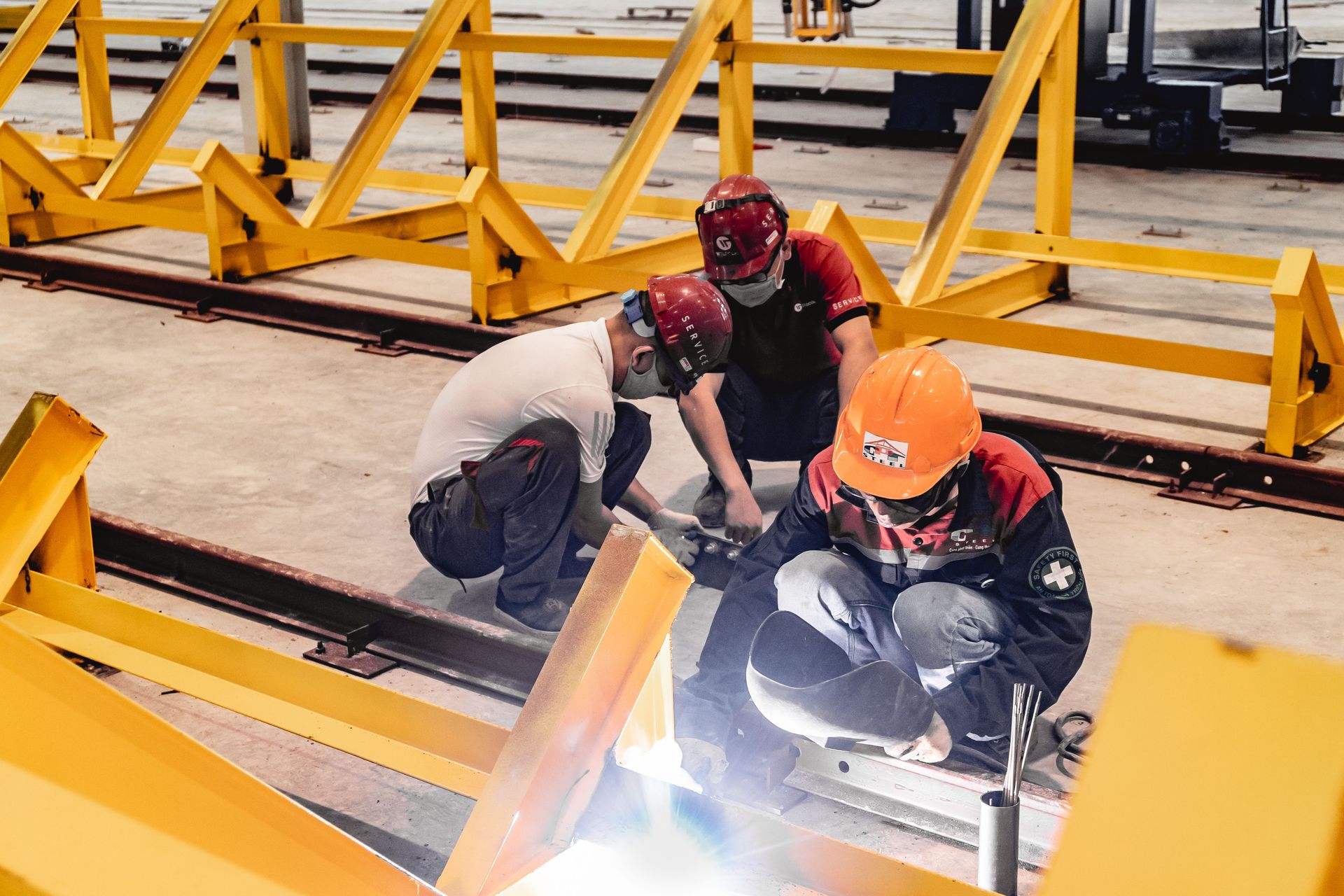
Structural steel and metalwork buyers care about capability and capacity. Show your fabrication equipment, certifications, tonnage capacity, the project sizes you handle and the regions you deliver to. Builders and engineers want to know you can meet their programme.
Precast concrete sits between the two. Engineers need design and load information, while builders need production capacity, lead times and delivery and craneage logistics. Project case studies showing panels from factory to installed are especially persuasive.
Timber, cladding and roofing suppliers benefit from comparison content, such as product A versus product B for bushfire zones or coastal sites, because specifiers search exactly those questions.

How do manufacturers get found by architects and engineers?
Specifiers search for specific product attributes and performance questions, not brand names. Build content that answers them:
- Target specification searches. "Fire-rated cladding for class 2 buildings" or "precast retaining wall panels Queensland" have low volume but very high value.
- Publish technical guides. Installation, maintenance and selection guides that earn links and repeat visits.
- List on specification platforms. Make your products available where architects already look for product data and design files.
- Run CPD and lunch-and-learn sessions. Then turn the presentation into web content and LinkedIn posts.
- Use LinkedIn deliberately. Project stories and technical insights from your team reach specifiers directly.
Which paid and social channels work for building product suppliers?
Google Ads works for high-intent product and location searches, such as "face bricks Brisbane" or "steel fabricator Perth". Google Shopping works for suppliers selling standard products online. LinkedIn reaches architects, engineers and procurement teams. Instagram and Facebook suit products bought on looks, such as bricks, pavers, cladding and landscape products.
Specialist equipment suppliers show what a focused approach can do. Hi-Range Crane Forks saw a 382 per cent increase in engagement across Facebook, Instagram and LinkedIn, a 117 per cent higher click-through rate on paid search, and 84.3 per cent more traffic from new users in six months.
Frequently asked questions
How do building product manufacturers generate leads?
Through detailed product pages that rank for specification searches, sample and quote requests, trade account sign-ups, LinkedIn content for specifiers, and targeted Google Ads for high-intent product searches.
Should a building product supplier sell online?
For standard, stocked products with predictable delivery, yes. For custom or project-based products, focus on quotes, samples and trade accounts rather than full checkout.
What content do architects want from suppliers?
Accurate specifications, compliance information, design files, finish options and real project examples showing the product in use.
Is LinkedIn worth it for building product companies?
Yes, especially for reaching architects, engineers and procurement teams. Project stories and technical insights from your people usually outperform generic brand posts.
Want to make your products easier to specify and buy? Talk to our eCommerce team or book a free consultation with the Constructiv Digital team.