Landscaping has some of the strongest seasonal search patterns in Australian construction. As spring and summer approach, homeowners across the country begin searching for landscapers to redesign outdoor spaces, lay lawns, install irrigation systems, and build retaining walls and paving. The businesses that capture this demand at its peak aren't waiting for referrals — they're running Google Ads campaigns that put them in front of motivated buyers at exactly the right moment.
Here's how Australian landscaping companies can use Google Ads to consistently win residential jobs and make the most of seasonal demand surges.
Why Google Ads suits landscaping businesses
Landscaping is a considered but time-sensitive purchase for most homeowners. They know broadly what they want — a new deck, a lawn replacement, a garden redesign — and they start searching when they're ready to get quotes. That makes Google search advertising a natural fit: you're reaching buyers at the moment they're actively looking for a landscaper, not interrupting them while they're scrolling social media thinking about something else entirely.
The other advantage is geography. Landscaping is inherently local, and Google Ads targeting lets you define precisely which suburbs and postcodes your ads appear in. If you operate in a 30km radius from your base, your budget only goes to people searching in that area. Combined with location-specific ad copy and landing pages, this produces lead quality that broad reach channels simply can't match.
Seasonal campaign planning
Most landscaping Google Ads accounts make the mistake of running static campaigns year-round with no adjustment for seasonality. Landscaping search volume in Australia peaks between August and February — the lead-up to and height of the outdoor living season — and drops significantly through winter. Your campaign strategy and budget allocation should reflect that pattern, not fight it.
From June to July, maintain a reduced presence focused on garden maintenance, winter pruning, and project planning enquiries. From August, scale up significantly: increase budgets by 30–50%, run spring-specific promotions ("book now for spring availability"), and activate any seasonal campaigns you've had paused. Peak summer is when your cost-per-click will be highest due to competitor activity — but also when intent is highest, so maintain investment through November and December. January and February capture late-summer renovation demand before search starts tailing off in March.
Service keywords that convert
For landscaping, the highest-converting keywords are service-specific and location-anchored: "landscaper [suburb]," "garden design [city]," "lawn laying [suburb]," "retaining wall builder [suburb]," "paving contractor [suburb]." These searches come from buyers with a specific project in mind, in your service area, looking to get quotes now. Bid on these terms with dedicated ad groups — not lumped into a single "landscaping" campaign.
Negative keywords are critical in landscaping. The word "landscaping" and related terms attract a wide range of irrelevant searches: landscaping jobs, landscaping courses, landscaping software, DIY landscaping ideas, and landscaping materials suppliers. Build your negative list before launch and review it weekly for the first month. Common landscaping negatives: jobs, employment, course, training, supplies, materials, wholesale, nursery, DIY, ideas, inspiration, how to, free, cheap plants.
Landing pages for landscaping leads
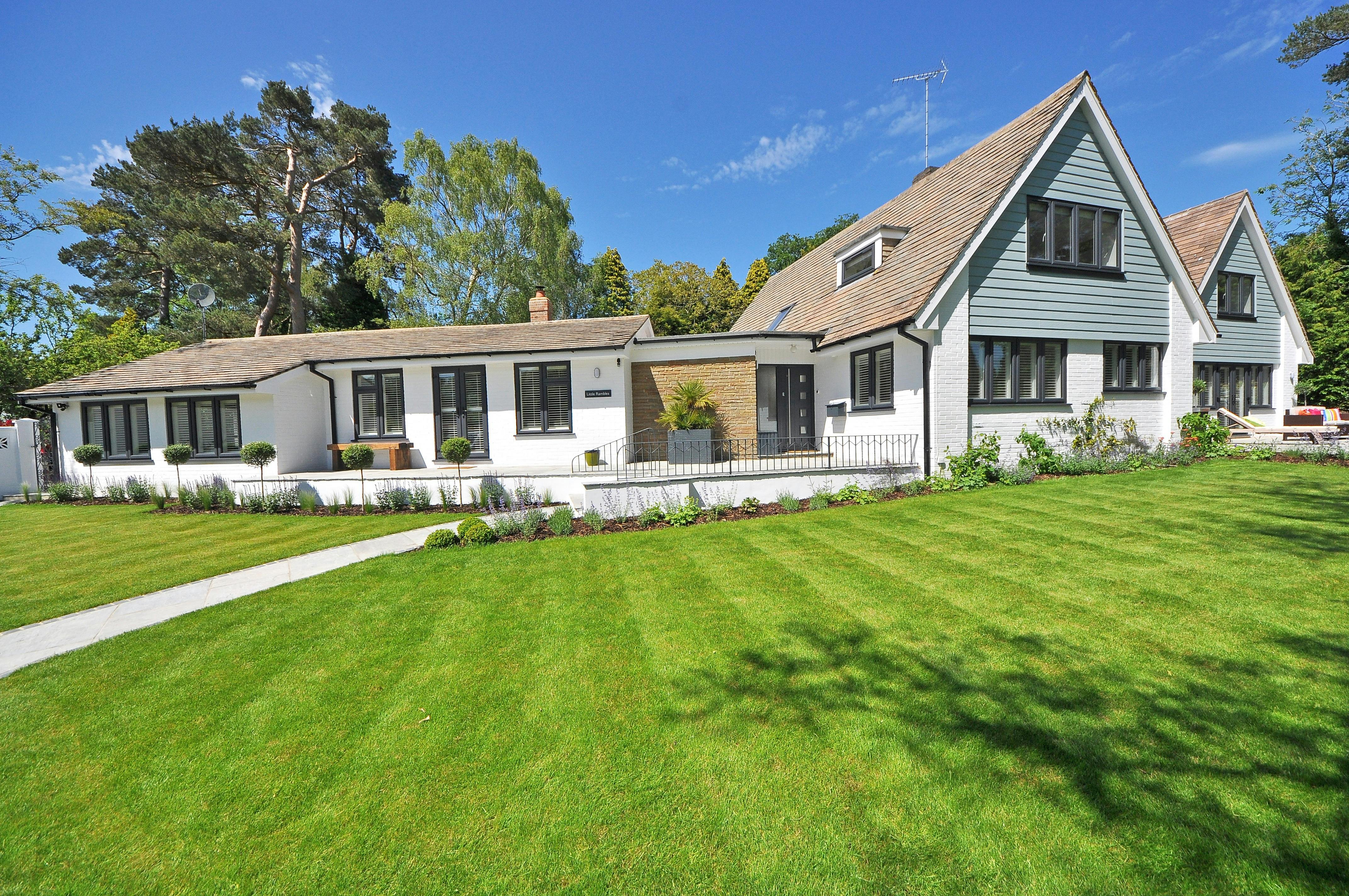
The landing pages for landscaping Google Ads need to show, not just tell. A visitor who clicked on a "garden design Brisbane" ad should land on a page that immediately shows them gardens you've designed in Brisbane — not a generic services page with stock photos and bullet points. Real project photography matched to the service the visitor searched for is the single highest-impact element of a landscaping landing page.
Beyond photography, a high-converting landscaping landing page includes: a clear headline matching the search intent, a short list of services included in that category, your service area, client reviews that mention specific suburbs or project types, and a simple quote form asking for project location, project type, approximate size, and contact details. Keep the form to five fields maximum. Your follow-up speed matters as much as the form — landscaping leads often shop three to four contractors simultaneously. Being the first to respond with a genuine, personalised reply wins the quote.
Budget, bidding and measuring ROI
For most residential landscaping businesses, a starting Google Ads budget of $1,500–$3,000 per month during peak season is appropriate. In the peak August–December period, consider scaling to $3,000–$5,000 if your lead conversion rate justifies it. Off-peak months can drop to $600–$1,000 with campaigns focused on project planning and maintenance.
Measure your cost-per-lead carefully and track which leads convert to booked jobs. A landscaping job might be worth $8,000–$25,000 — even at $150 per acquired lead, the ROI is strong if you're converting 20% of leads to jobs. Set up call tracking alongside your form tracking so you capture every enquiry, not just digital form fills. Many landscaping clients call rather than submit a form, especially on mobile, and missing those conversions in your data will understate your campaign performance significantly.
Constructiv Digital builds and manages Google Ads campaigns for landscaping and trade companies across Australia. If you'd like to discuss a seasonal campaign strategy for your landscaping business, get in touch with our team.