Most construction companies underestimate what their photography is doing, or failing to do, on their website. Poor images, stock photos, or a complete absence of project photography are among the fastest ways to lose a potential client's trust before they've read a single word of your content. Conversely, strong, original photography of real work in progress and completed projects is one of the highest-leverage improvements a construction website can make.
Here's how Australian construction companies should think about photography for their website: what to shoot, how to use it, and why it matters more than most contractors realise.
Why photography matters on a construction website
Construction is a visual industry. A client commissioning a renovation, an excavation, a concrete pour, or a fit-out wants to see what your completed work looks like before they commit to anything. A service page with five strong project photos converts at a meaningfully higher rate than the same page with no photos or with stock imagery.
Stock photography is particularly damaging for construction websites. Visitors recognise it immediately, especially images of smiling people in pristine hard hats on improbably clean sites, and it triggers scepticism rather than trust. It signals that you either don't have real work to show or couldn't be bothered to photograph it. Either way, it undermines the credibility your content is trying to build.
What to photograph
For a construction website, the most valuable photography falls into four categories. Completed project shots are the highest priority — external and internal views of finished work, ideally captured shortly after handover when everything is at its best. These go on project pages, service pages, and your portfolio. Before-and-after pairs are particularly powerful for renovation and demolition contractors because the transformation is immediately compelling.
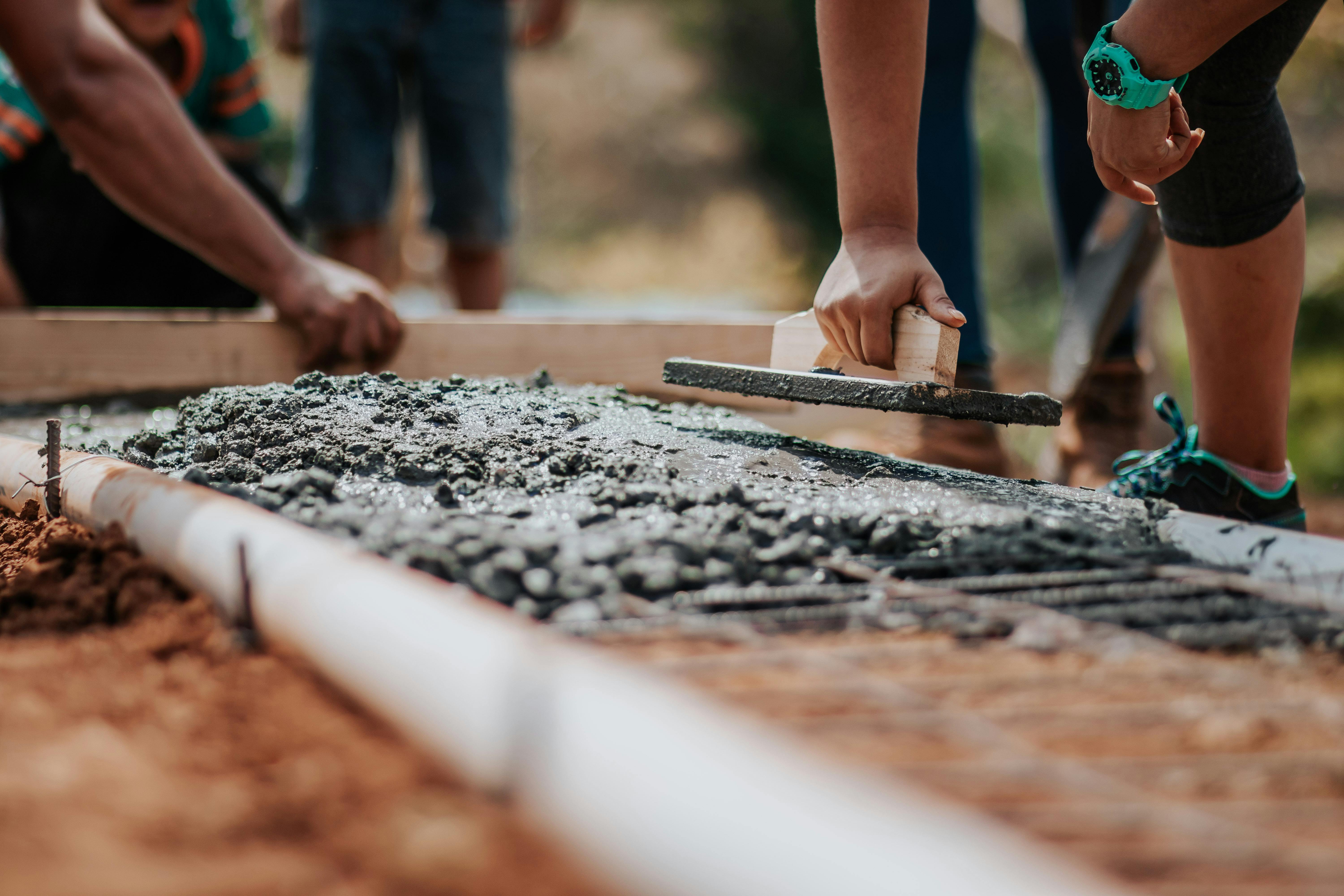
Organised, safe, professional-looking sites reassure buyers that engaging you won't be a stressful experience. Shots of your equipment and fleet signal capability and scale, particularly valuable for civil and earthmoving contractors where the machinery itself is part of what you're selling. Finally, team photography builds the human connection that turns a browsing visitor into a caller.
How to brief a photographer
A construction photography brief should specify: the types of shots needed (completed projects, in-progress, equipment, team), the specific locations and projects to be photographed, the intended use (website homepage hero, service pages, case studies, social media), and any compliance requirements for site access. Give your photographer a shot list rather than leaving it entirely to their judgement. They're experts in capturing images, but you know which aspects of your work are most impressive and commercially relevant.
Where to use photography on your site
Photography placement on a construction website follows a clear hierarchy. Your homepage hero image should be the single most impressive photo you have — a strong, high-resolution completed project or dynamic site shot that immediately communicates the scale and quality of your work. Every service page should have at least three to five photos relevant to that specific service. Project and case study pages should lead with the strongest completed shot and include a gallery of four to eight additional images.
Distribute imagery throughout the site so every page a visitor lands on has an original, relevant visual guide. Your about page should include team photos. Your Google Business Profile should be updated with new site photos monthly. Even your contact page benefits from a photo; a team shot or office image that reminds visitors there are real people on the other end of the form.
Phone photography as a starting point
A professional photographer is the goal, but modern smartphone cameras are capable of producing genuinely good construction photography with a little attention to technique. Shoot in good natural light, avoid shooting into the sun, hold the phone horizontally for landscape shots, and take multiple angles of each scene.
Phone photography is a legitimate starting point for a new website that currently has nothing. Set a goal of commissioning a proper professional shoot within the first six to twelve months, and in the meantime use your own photos to populate the pages that need them most.
Constructiv Digital builds construction websites that make the most of your project photography to convert visitors into enquiries. If you'd like to discuss how your current site is using imagery, get in touch with our team.