Construction website design
We build websites for Australian contractors and civil construction companies that showcase your work, improve Google visibility, and generate consistent enquiries. From affordable
Flexi SEO/AEO websites to full eCommerce custom sites we have built over 3,000 conversion rate optimised websites and counting.
Our clients
Why Constructiv Digital?
Construction websites need to do more than look good. Our team understands how contractors operate and what clients look for when choosing a service provider online – so every website we build is focused on clarity, credibility, and generating real enquiries for your business.
Our construction websites help you:
- Present your services and capabilities clearly
- Showcase completed projects and build trust with prospective clients
- Establish a credible, professional online presence
- Generate enquiries from builders, developers, and project managers
- Improve your visibility in local Google search results
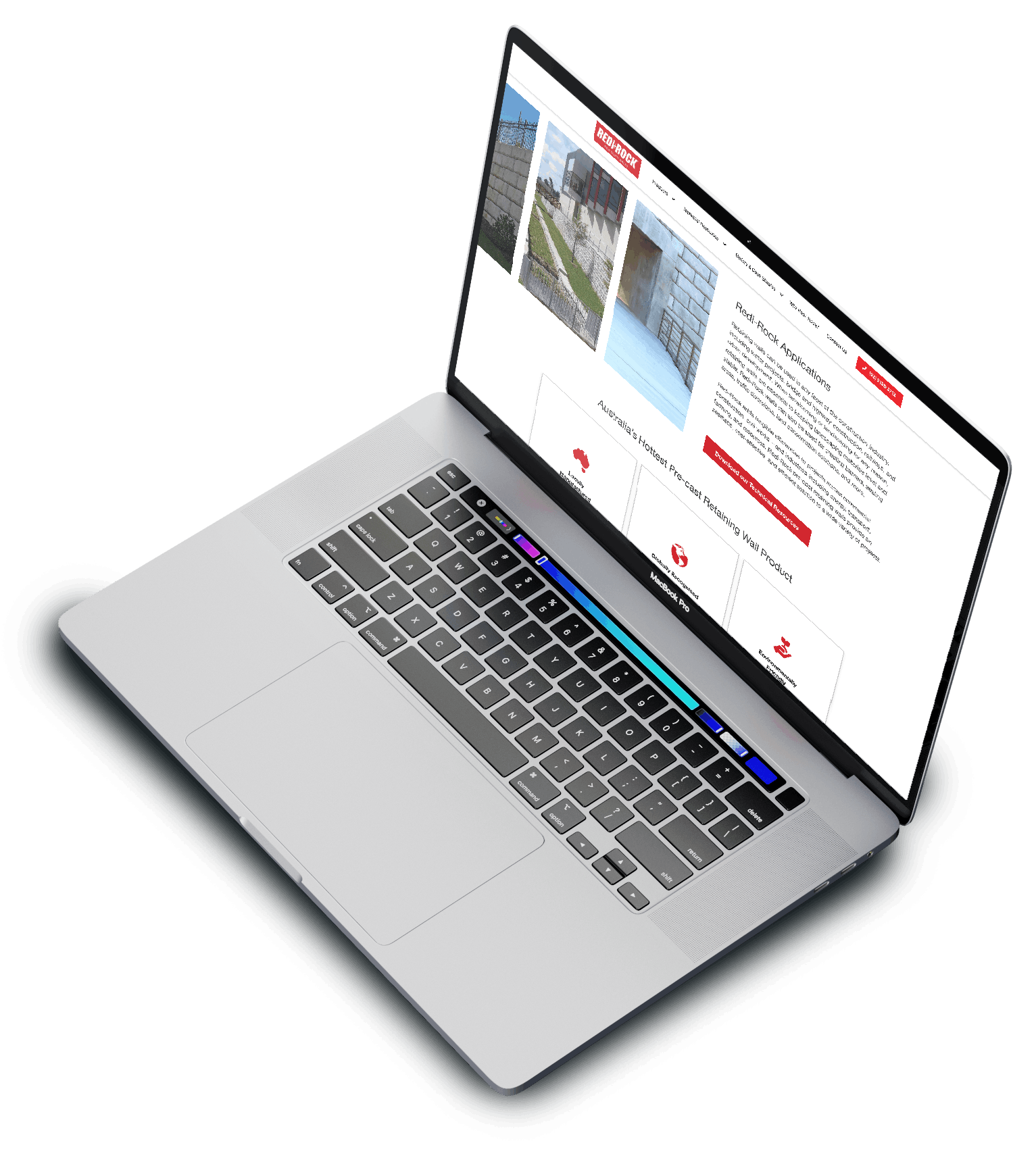
What is construction website design?
Construction website design is the process of building a website that turns visitors into enquiries and proves your business can deliver. For construction and civil companies across Australia, a well-designed website works as a 24/7 business development tool, a home for your capability statement and a steady source of leads while you're on site.
Effective construction website design serves two very different audiences. Project managers and procurement officers want to see certifications, safety records and relevant experience. Site supervisors on a mobile need to find a service or phone number in seconds. A mobile-first design with fast load times and simple navigation meets both needs and shows clients you can deliver on time and on budget.
Good construction web design also includes SEO. Dedicated service and equipment pages, targeted keywords and well-structured metadata help your business appear in search results and AI-generated answers when clients look for the services you offer.
As a specialist construction marketing agency, Constructiv Digital uses industry data to design websites that lower your cost per lead and support your wider construction digital marketing. When competitors offer similar pricing and similar fleets, the contract often goes to the business that looks more professional and reliable online.
Our construction web design services
Unlike general web design agencies, we understand the difference between civil, residential, and commercial construction clients. Our team is familiar with the search terms, technical language, and equipment used across the industry – giving us the edge when it comes to generating quality leads in the construction space. At Constructiv Digital, we build websites that attract the right clients.
Concept design
First impressions matter. We incorporate your assets into a custom website design that reflects the quality of your work and presents your construction business in the best possible light.
- Custom designs built around your brand colours and assets
- Project photos and machinery showcased professionally
- Designed to appeal to developers, builders, and project managers
- Builds trust and credibility with prospective clients at first glance
User Experience (UX)
Construction clients search for services across all devices – on-site on a phone, or in an office on a desktop. We build responsive websites structured to guide visitors toward making an enquiry.
- Fully responsive across mobile, tablet, and desktop
- Fast-loading pages that reduce bounce rate
- Clear navigation that makes it easy to find information
- Every page designed to convert visitors into genuine enquiries
Strategic content
A great-looking website means nothing if the right people can't find it. We research and write your website content around the exact search terms your potential clients are using. Every page is structured to target the right audience and perform in local Google search results across Australia.
- Content written by people who understand the construction industry
- Researched around the search terms your clients actually use
- Structured to target local searches across Australia
- Every page built to communicate your capabilities clearly
On-page SEO
Every Constructiv Digital website is built with on-page SEO from day one, so your business is ready to be found by Australian clients the moment it goes live. We structure each page to help search engines and AI tools understand what you do and where you work.
- Keyword-targeted service, equipment and location pages
- Optimised page titles, meta descriptions and headings
- Clean site structure and internal linking
- Fast, mobile-first pages that meet Google's performance standards
Web design by trade
Construction website design is the process of building a website that turns visitors into enquiries and shows clients you can deliver. These guides show Australian construction, civil and trade businesses what their website needs to win more work. Choose your trade below.
| Trade | Guide |
|---|---|
| Civil | Web design for civil construction companies |
| Plant hire | Website design for plant hire and equipment businesses |
| Demolition | Website design for demolition companies |
| Concreting | Website design for concreters |
| Renovation | Website design for renovation builders |
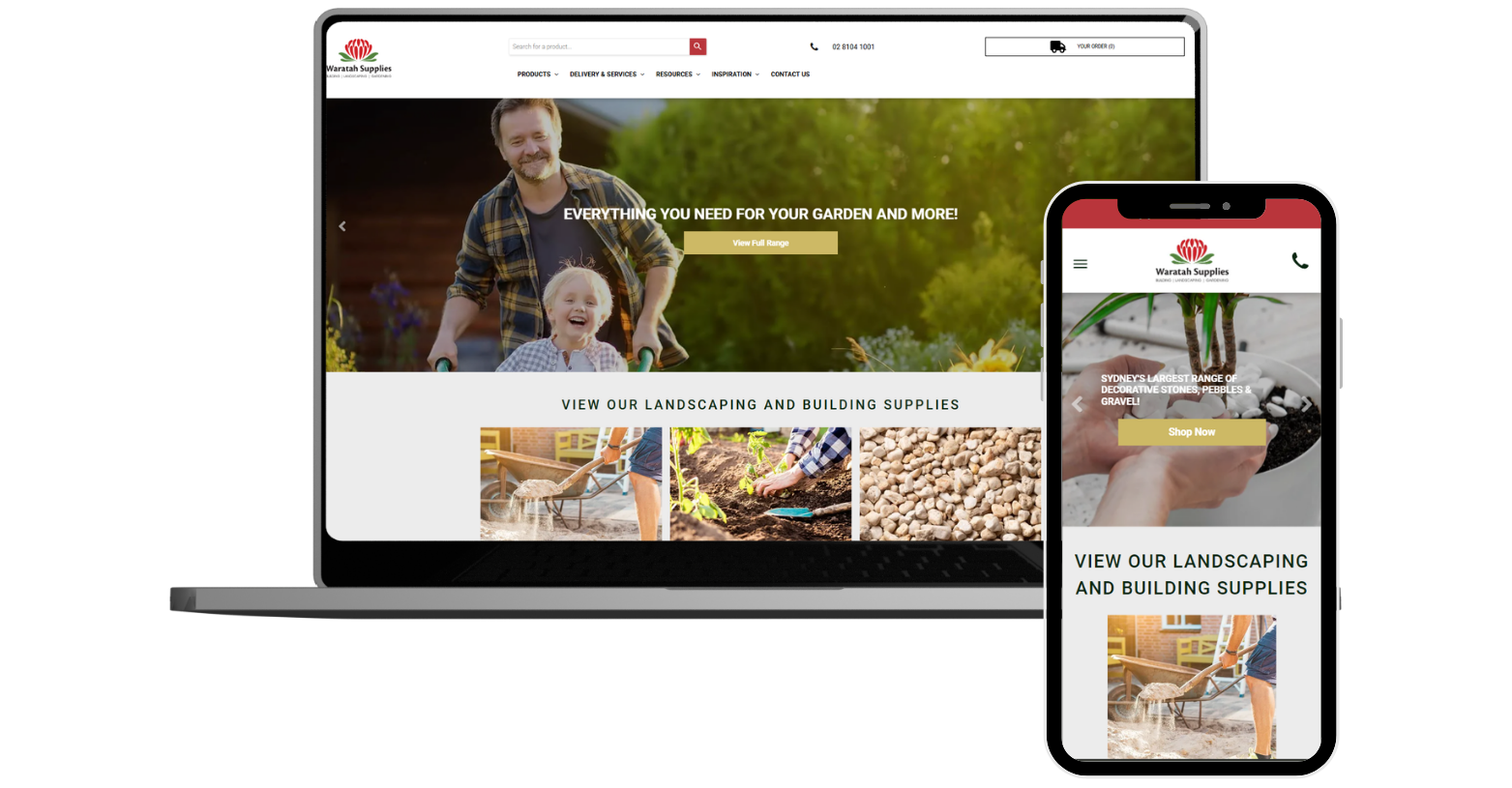
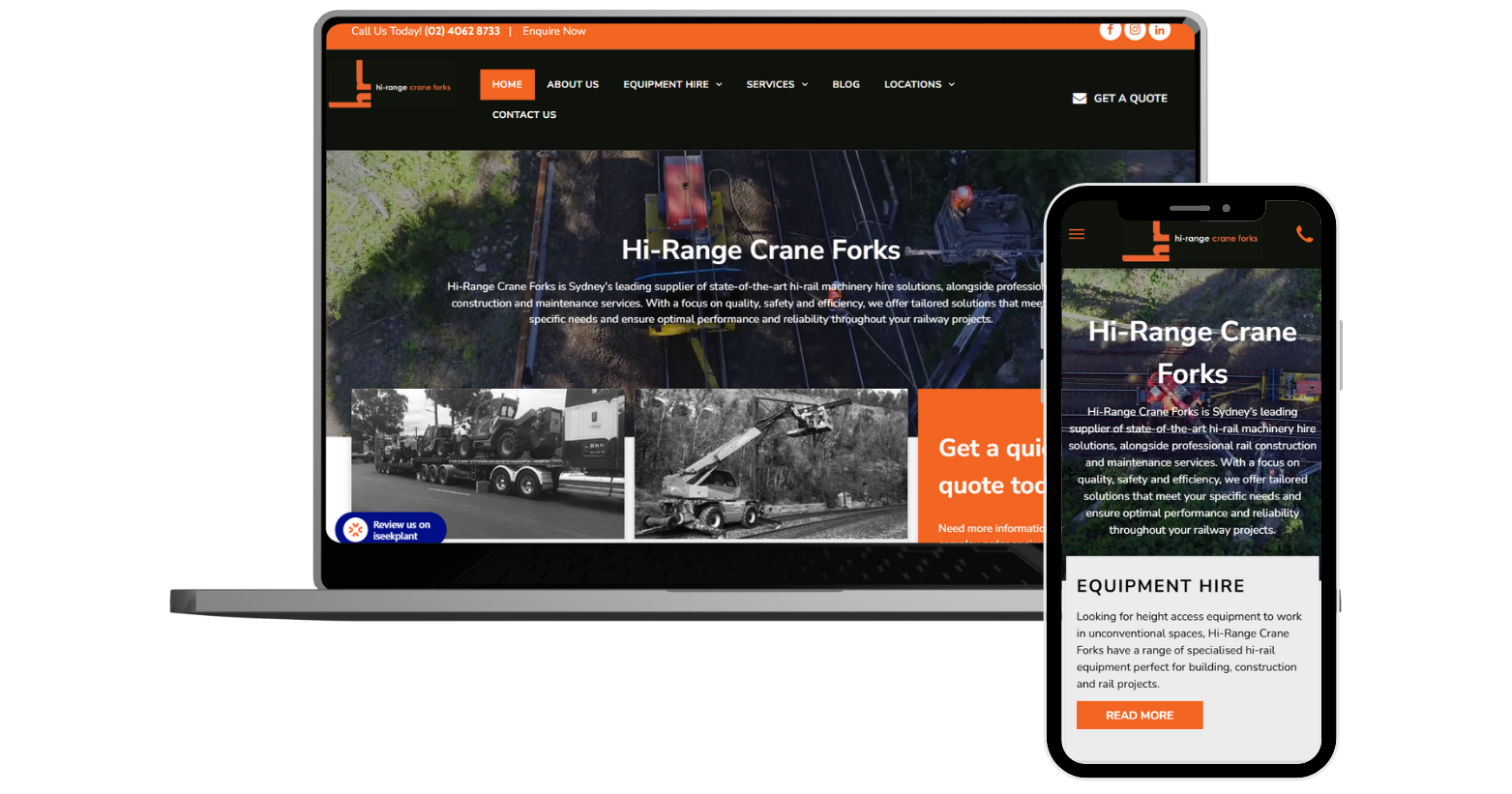
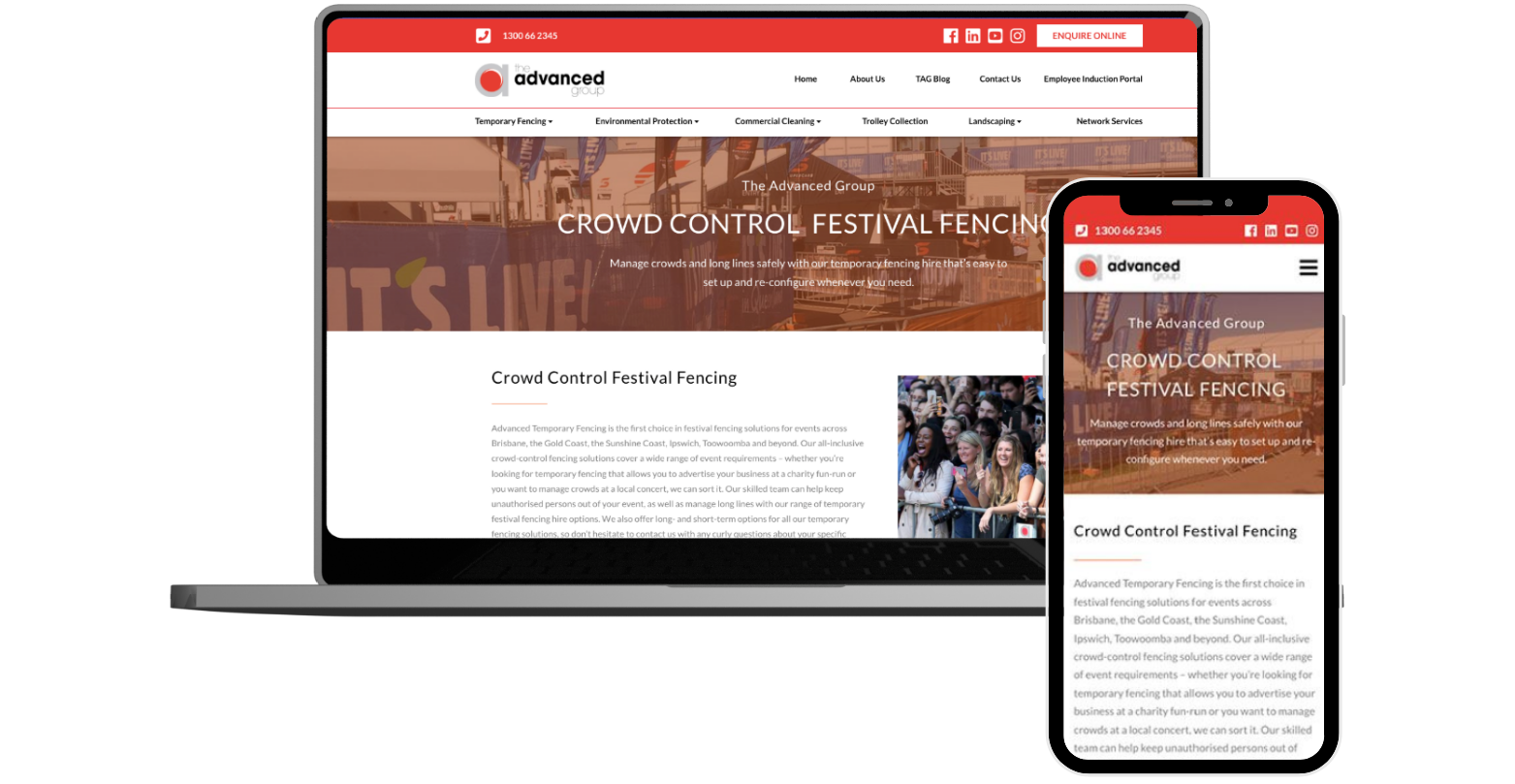
Our successful customer case studies
More ways we help construction businesses grow
Constructiv Digital is an Australian digital marketing agency specialising in construction and civil businesses. We provide SEO, web design, content services, social media advertising, and capability statements built specifically for the construction industry; helping contractors, builders, and civil companies get found on Google, generate consistent project enquiries, and grow their business online.
SEO
SEO builds your visibility in Google's organic results over time. Once you rank, you generate consistent enquiries without paying per click, making it the most cost-effective channel for sustained lead generation.
Best for: Long-term traffic and consistent project enquiries
Google Ads
Google Ads put your business at the top of search results from day one. It's ideal for generating leads quickly, filling gaps in your pipeline, or targeting high-value keywords while your SEO builds momentum.
Best for: Immediate visibility and faster lead generation
Social media
Social media lets you showcase completed projects, build trust with your audience, and stay front of mind with potential clients. It supports your SEO and Google Ads efforts by reinforcing your brand.
Best for: Sharing projects, building credibility, and engaging your audience
Content Services
The content on your website determines whether Google ranks you and whether clients choose you. We write service and location pages, blog content, and trade-specific copy that targets the searches your customers are already making.
Best for: Filling gaps in your service coverage and location targeting on Google
Web Design
A website that ranks but doesn't convert is a wasted opportunity. We build fast-loading, mobile-optimised, construction websites engineered for performance, structured to turn visitors into enquiries from the first click.
Best for: Creating a professional online presence that actively generates leads
Frequently asked questions
Should a construction company have a website?
Read moreYes, a construction company should definitely have a website. In today's digital age, a website serves as the central hub for your business's online presence, enabling you to showcase your projects, services, and unique capabilities.
A constructon website helps to establish credibility and professionalism but also allows potential clients to easily find and contact you. A website can effectively display your portfolio of past projects, providing a tangible demonstration of your expertise and attracting new business.
For construction businesses aiming to expand their reach and engage with more clients, maintaining a robust online presence through a well-designed website is crucial.
How do I create a construction company website?
Creating a website for a construction company involves several key steps. First, determine the primary goals of your website, whether it's to showcase your portfolio, attract new clients, or provide information about your services. Next, choose a reliable web hosting service and a domain name that reflects your company's brand. It's essential to design the website with a clear, user-friendly layout that highlights your strengths, such as past projects and client testimonials. Employing SEO strategies specific to construction website design will also help ensure your site reaches your target audience effectively. Lastly, consider integrating tools for better user engagement, like contact forms and social media links.
What does a construction website cost?
What are the must-have design elements for a construction website?
Some key design features that make a successful construction website include:
- A navigation bar: This runs on the top or side of your homepage and directs visitors to the most important pages of your business.
- Large hero image: These sit right underneath/beside the navigation, and usually represent your best work and show visitors a quick glance at what kind of construction work you do.
- Mobile-friendly web design: 60.67% of website traffic comes from mobile devices alone, so it's important to have a responsive site that can adapt to any screen size. Google predominantly uses the mobile version of a site's content to index and rank it, so it's important to optimise your website for mobile compatibility and speed.
How long does it take to build a construction website?
Whether you choose a Flexi or custom website, a construction website project typically includes several key components: a design that reflects your brand, clear site structure and navigation, and core pages such as home, about us, services and contact.
We also build in SEO best practices to help customers find you, and can add a project gallery, blog and social media integration. Ongoing maintenance keeps your site secure and running smoothly.
How do I choose the right agency to create my website?
Choosing the right website developer is key to your construction business's success.
Start by deciding whether a template-based or custom website best suits your business. At Constructiv Digital, our Flexi websites are built on proven, construction-focused templates, making them a quick and cost-effective way to get online. If you need something more tailored, our custom websites are designed from scratch around your brand, services and goals.
Whichever option you choose, work with a team that understands the construction industry. We make sure your website is built with SEO and responsive design in mind, as both are essential for being found online and delivering a great experience on any device.
What else does Constructiv Digital do?
Read moreConstructiv Digital is a full-service digital agency specialising in the construction and civil industries. Beyond website design and development, they offer a range of digital services including search engine optimisation (SEO), Google Ads and paid advertising management, social media marketing, and branding. They also provide ongoing website maintenance and support, helping trade and construction businesses across Australia build a stronger online presence and generate more leads through their digital channels.
What does a construction website cost?
Read moreA construction website in Australia typically costs between $2,500 and $15,000, depending on scope. Most small to medium construction businesses get the best return from a lead generation build in the $7,000 to $15,000 range, which includes 15 to 30 pages, dedicated service and location pages, professional copy and SEO structure. Larger multi-division sites can cost $15,000 to $40,000.
The main factors that affect cost are page count, content production, design approach, platform and functionality. You should also budget for ongoing costs such as hosting, maintenance and SEO. For a full breakdown, read our construction website cost guide.